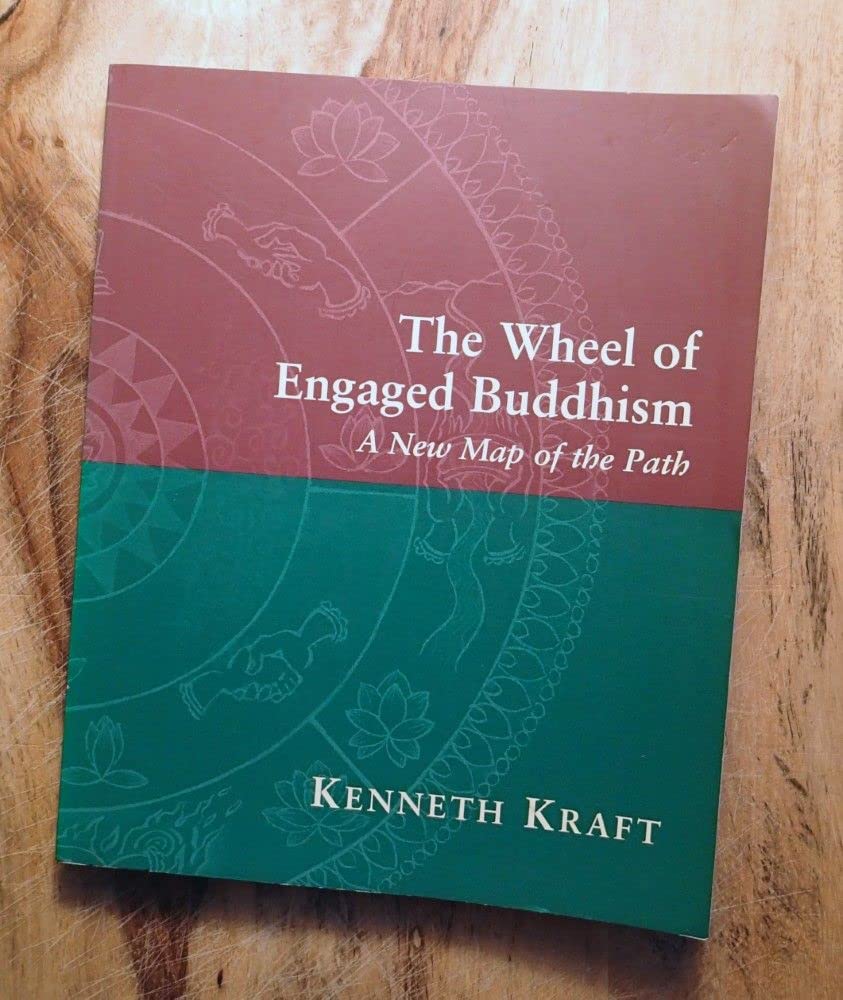
Editorial reviews kenneth kraft (b 1949) is chair of the religious studies department at lehigh university in bethlehem, pennsylvania he holds a phd from princeton university (east asian studies), an ma from the university of michigan (far eastern languages and literatures), and a ba from harvard university at lehigh he teaches courses on zen, japanese religions, contemporary buddhism, and religion and the ecological crisishe is the author of the award-winning eloquent daito and early japanese zen and the wheel of engaged a new map of the path his edited books include tradition and transition and inner peace, world peace he is also the editor of two forthcoming books, dharma rain (with stephanie kaza) and zen teaching, zen practicekraft is a member of the advisory board of the forum on religion and ecology he is a former member of the board of directors of the buddhist peace fellowship, and he served on the board of trustees of the rochester zen center, 1986-1995 he lives in haverford, pennsylvania, with his wife and two daughters Far from being a nihilistic cult of navel gazers, Buddhism has overcome the naive caricatures of its Western infancy, and as it grows to maturity it accepts the obligations piling up in the wake of rampant consumerism. In this short but precious introduction to engaged Buddhism, Kenneth Kraft highlights the activities and challenges of socially conscious Buddhists. His format is of a handbook revolving around a mandala of engagement. Symbols on Kraft's mandala denote cultivating awareness, embracing family, participating in politics, and caring for the Earth. Each chapter then pursues one of these 10 topics by discussing how they are viewed by Buddhists now struggling to invent a meaningful activism. Robert Seed, the first defender of rainforests, imprisoned Burmese president Aung San Suu Kyi, poet and environmentalist Gary Snyder, and a woman who spontaneously organized an effort to comfort victims of the Bosnian war are some of the examples that Kraft offers. The immensity of the problems might seem daunting, and yet as Kraft observes, "a Buddhist Marx may not be required, but a few Buddhists making their marks ... would be edifying." --Brian Bruya Used Book in Good Condition